
Exploring the art of translating between Urdu and English, this article delves into the significance of accurate communication during diverse cultural festivals like Diwali, Eid al-Fitr, and winter wonderlands. We provide insights on tools, methods, and tips to bridge the gap between these languages, ensuring meaningful connections during holly jolly holiday celebrations.
Navigating Cultural Bridges: Urdu to English Translation for Festive Seasons
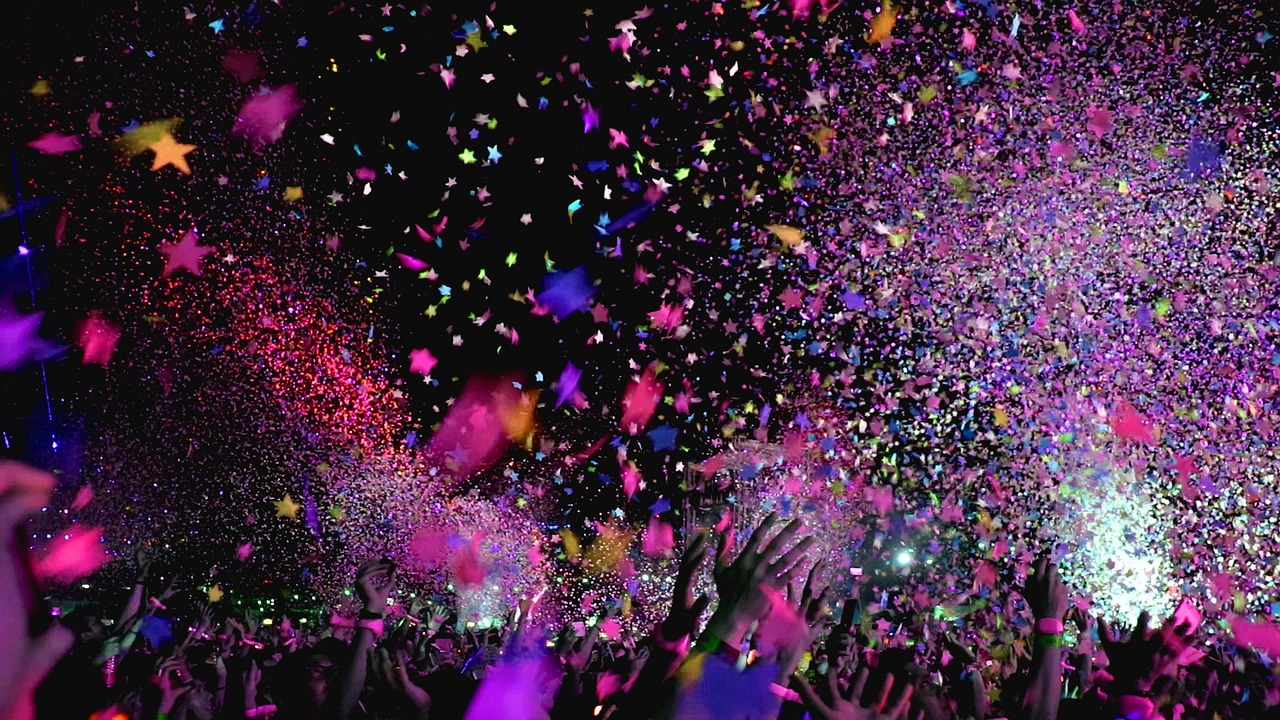
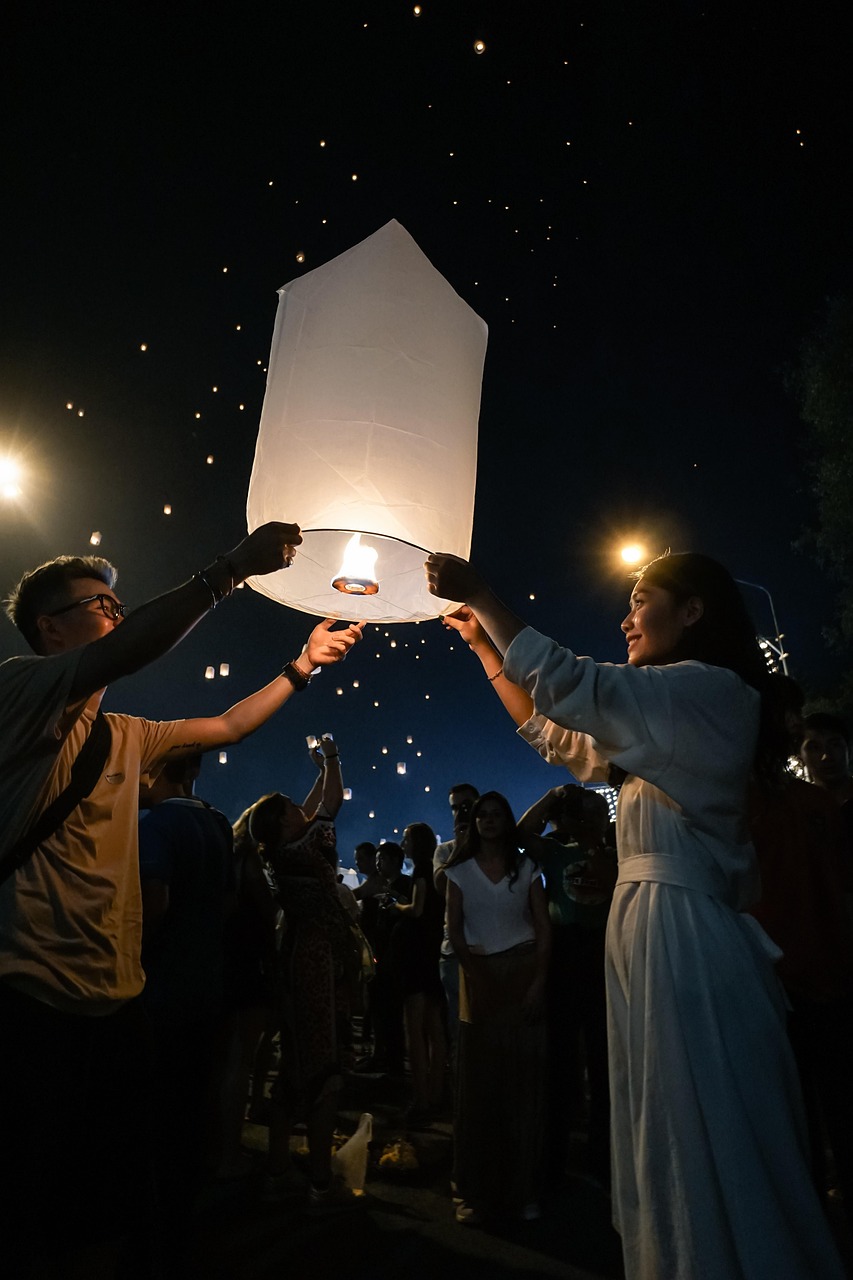
Festival season is a time of joy, unity, and cultural celebration worldwide. Whether it’s the vibrant colors of Diwali or the spiritual significance of Eid al-Fitr, these gatherings bring people together in a spirit of festivity. However, language barriers can often stand in the way of fully experiencing these moments. This is where Urdu to English translation plays a pivotal role, bridging gaps and fostering understanding.
The Importance of Accurate Translation
In our multicultural world, effective communication transcends borders. During holidays like summer sunset soirees, diwali festivities, or even winter wonderland gatherings, clear dialogue ensures everyone feels included and respected.
Urdu, spoken by over 200 million people worldwide, is a rich language with its own nuances and expressions. English, as a global lingua franca, allows for cross-cultural connections. Accurate translation enables sharing of stories, traditions, and greetings, enhancing the overall experience for all participants.
Traditional vs. Digital Translation Methods
Historically, translating between Urdu and English involved manual labor:
-
Traditional Translation: This method relies on human translators who meticulously translate text word-by-word, ensuring cultural sensitivity. It’s precise but time-consuming, often making it less accessible for urgent needs.
-
Digital Tools: Modern technology offers a range of options, from basic online translators to advanced AI models. While convenient for quick checks, they may not always capture the nuances and cultural context accurately.
Bridging Gaps: Effective Urdu to English Translation Techniques
To ensure meaningful communication during festive seasons, consider these techniques:
1. Contextual Understanding:
Cultural context is crucial for accurate translation. A phrase that sounds simple in one language might have a different meaning or be inappropriate in another. For example, "good morning" in Urdu might be more formal than "hello" in English, depending on the situation.
2. Cultural Sensitivity:
Understand the cultural nuances of both languages to avoid misinterpretations. Idioms, proverbs, and figurative language often require special attention.
For instance, a popular Urdu greeting, "Khushamad ho" (be happy), doesn’t have a direct English translation but conveys a sense of well-being and positivity.
3. Utilize Advanced Translation Tools:
While not a substitute for human translators, advanced AI models like Google Translate or DeepL can provide quick translations and context suggestions.
Pro Tip: Use these tools as a starting point, then refine the output with human review for optimal accuracy.
4. Seek Professional Help:
For important documents, speeches, or sensitive conversations during festivals, consider hiring professional Urdu-English translators. They bring expertise and precision to ensure your message is conveyed accurately.
Frequently Asked Questions
-
Are there any free tools I can use for Urdu to English translation?
Absolutely! Online platforms like Google Translate, DeepL, and Microsoft Translator offer basic translation services at no cost.
-
Can AI translate all types of text effectively?
While AI has improved significantly, it may struggle with complex texts, idioms, or specialized terminology. For high-quality results, human review is often necessary.
-
How can I ensure the translated text sounds natural in English?
The best way is to have a native English speaker review the translation. They can provide feedback on fluency, grammar, and overall naturalness.
-
Are there any cultural faux pas I should be aware of while translating?
Yes! Be mindful of idioms, greetings, and cultural references. What sounds harmless in one language might offend in another. Researching cultural norms is key to avoiding misunderstandings.
Conclusion: Connecting Through Translation
Urdu to English translation goes beyond mere words; it builds bridges between cultures, fostering understanding and unity during festive seasons and year-round. By employing a mix of traditional wisdom and modern technology, we can ensure that everyone feels included in celebrating holly jolly holidays, summer sunsets, diwali lights, and eid al-Fitr joy.
Remember, accurate communication opens doors to deeper connections and meaningful celebrations, making each festival season truly memorable.