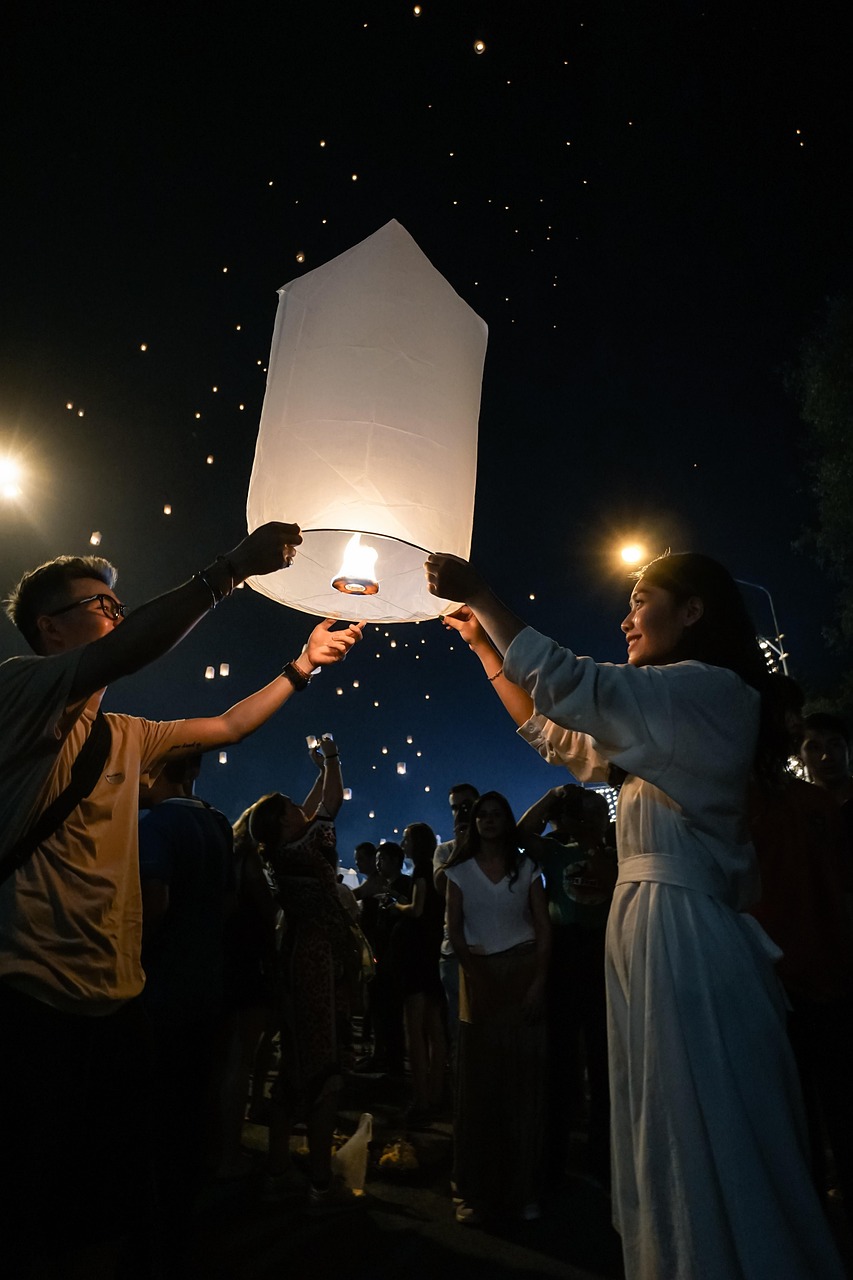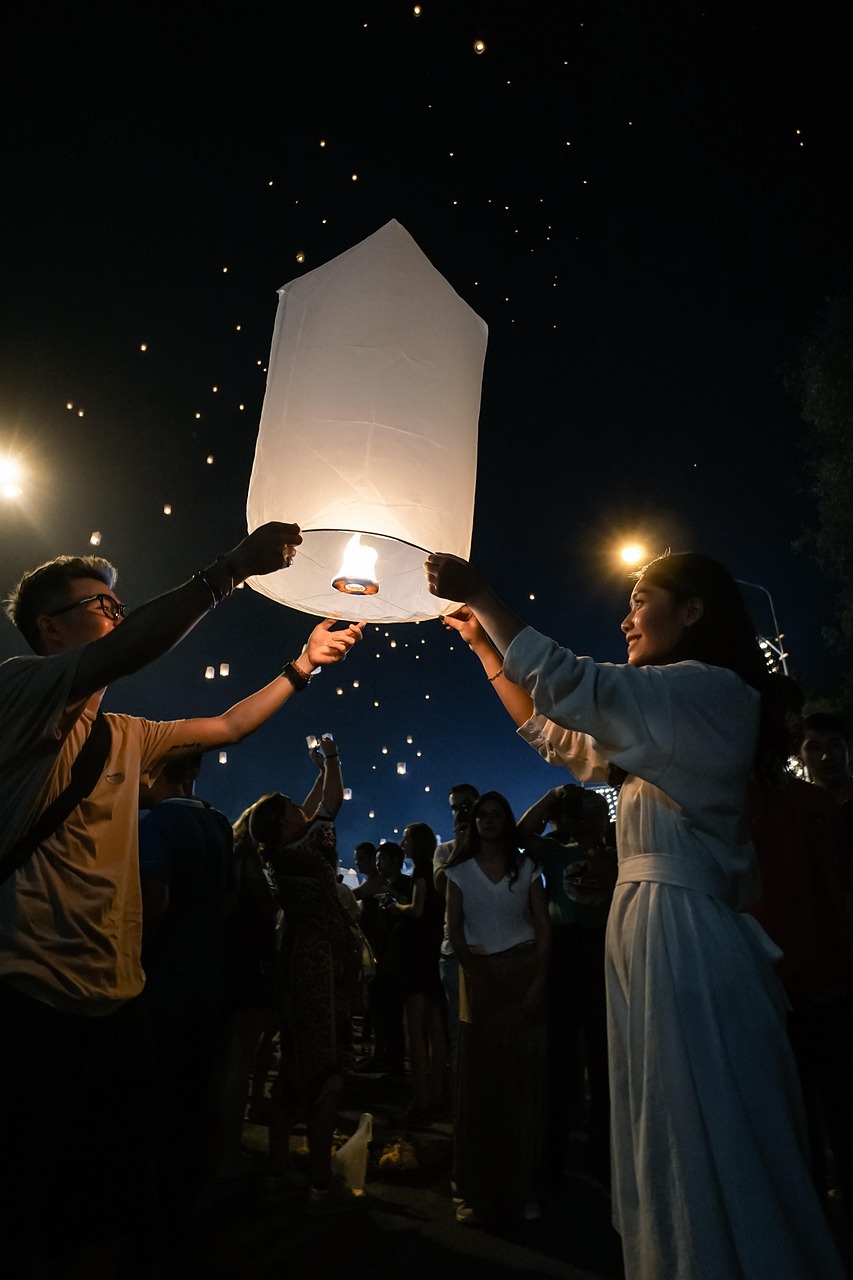

Discovering the meaning of Urdu phrases in English can enhance your enjoyment of diverse cultural festivals, from the vibrant Diwali celebrations and Eid al-Fitr gatherings to the magical winter wonderland of Christmas. This guide explores effective methods for urdu to english translation, ensuring you can fully immerse yourself in the "holly jolly" spirit of these special occasions.
Navigating Cultural Bridge: Urdu to English Translation for Festive Season
Festive seasons around the world are filled with warmth, joy, and vibrant traditions. Whether it’s the dazzling diwali festivities, the joyous Eid al-Fitr gatherings, or the enchanting winter wonderland of Christmas, sharing in these celebrations often involves experiencing them through language.
Urdu, spoken by over 200 million people worldwide, is deeply intertwined with the cultural tapestry of South Asia. For those unfamiliar with the language, understanding key Urdu phrases can enrich the experience of participating in these celebrations. This guide delves into the art of translating Urdu to English, empowering you to engage more deeply with the spirit of these holly jolly holidays.
Understanding the Challenges and Rewards
Translating Urdu to English presents both challenges and rewards.
Challenges:
- Linguistic Differences: Urdu and English have distinct grammatical structures, vocabulary, and pronunciation. This requires a nuanced understanding of both languages.
- Cultural Nuances: Phrases that seem literal in English may hold different cultural meanings or connotations in Urdu.
Rewards:
- Enhanced Immersion: Understanding key phrases allows you to appreciate the depth and richness of cultural traditions.
- Improved Communication: Breaking down language barriers enables deeper connections with people celebrating these festivals.
- Cultural Appreciation: Gaining insight into the thoughts and feelings expressed through Urdu allows for a richer understanding of diverse cultures.
Effective Methods for Urdu to English Translation
While literal translations can be helpful, they often fall short of capturing the true essence of a phrase. Here are some effective strategies for achieving more accurate and culturally sensitive Urdu to English translations:
1. Utilize Online Translation Tools:
Start with reliable online translation tools like Google Translate or DeepL. These tools provide quick and accessible initial translations. However, remember that they are not always perfect and require refinement.
2. Consult Urdu-English Dictionaries:
Invest in a good Urdu-English dictionary or use online resources. These tools offer detailed definitions and examples, helping you understand the context and usage of words.
3. Seek Native Speaker Assistance:
If possible, consult with native Urdu speakers who are proficient in English. They can offer valuable insights into idiomatic expressions, cultural nuances, and the most appropriate translations.
4. Immersive Learning:
Watch Urdu-language films, listen to music, and read literature. Immersion in the language helps you grasp colloquialisms and cultural references.
5. Practice and Refine:
Translation is a skill that improves with practice. The more you translate, the better you’ll become at capturing the essence of Urdu phrases in English.
Key Urdu Phrases for Festival Season
Here are some common Urdu phrases often used during festive celebrations, along with their English translations:
Greetings and Well Wishes:
- "Khush raho" (خوش رہو) – "Stay Happy" : A warm and heartfelt wish for joy and prosperity.
- "Shubh Kamna" (شوبه کمنا) – "Best Wishes": Often used during Diwali and other festivals, conveying hopes for a bright and prosperous future.
- "Eid Mubarak" (اید مبارک) – "Happy Eid": A popular greeting for Eid al-Fitr, celebrating the end of Ramadan.
- "Merry Christmas" (میری کریسمس) – "Merry Christmas": A standard greeting for Christmas celebrations.
Festive Greetings and Celebrations:
- "Diwali ki shubh ratri" (دیوالی کی شوبه راتری) – "Happy Diwali Night": Wished on the evening of Diwali, signifying joy and light.
- "Khelo rang, banao khushiye" (کھلو رنگ، بنائی خوشیہ) – "Play with colors, spread happiness": This phrase captures the playful spirit of Holi, a vibrant spring festival.
Expressing Gratitude and Appreciation:
- "Shukria" (شکریہ) – "Thank you": A simple yet powerful way to express gratitude.
- "Aap ka shukria" (آپ کا شکریہ) – "Thank you for you": A more formal way to express thanks, emphasizing the recipient.
Frequently Asked Questions (FAQs)
1. Do I need to be fluent in Urdu to translate phrases?
You don’t need to be fluent to translate basic phrases. Using a combination of online tools, dictionaries, and cultural knowledge, you can effectively communicate.
2. How can I ensure my translations are culturally accurate?
Researching cultural nuances and seeking input from native speakers is essential. Avoid literal translations and focus on capturing the intended meaning and sentiment.
3. Are there any specific phrases I should avoid translating directly?
Some phrases may have complex cultural meanings or double meanings. It’s best to understand the context and choose the most appropriate English equivalent.
4. Can learning a few key phrases really enhance my festival experience?
Absolutely! Even a few well-chosen phrases can break down language barriers, foster connections, and deepen your appreciation of the festive season.
5. Where can I find reliable online Urdu-English translation resources?
Several reputable websites offer accurate and user-friendly Urdu-English translation services, including Google Translate, DeepL, and Microsoft Translator.
Conclusion: Bridging Languages, Celebrating Together
Urdu to English translation opens doors to a richer, more immersive experience during the festival season. Whether you’re lighting diya lamps on Diwali, exchanging gifts on Christmas, or celebrating Eid with loved ones, understanding key phrases allows you to connect on a deeper level with the cultural tapestry of these special occasions.
By embracing the challenges and reaping the rewards of translation, you can truly make these "summer sunset soirees" and "winter wonderland" celebrations holly jolly for everyone.