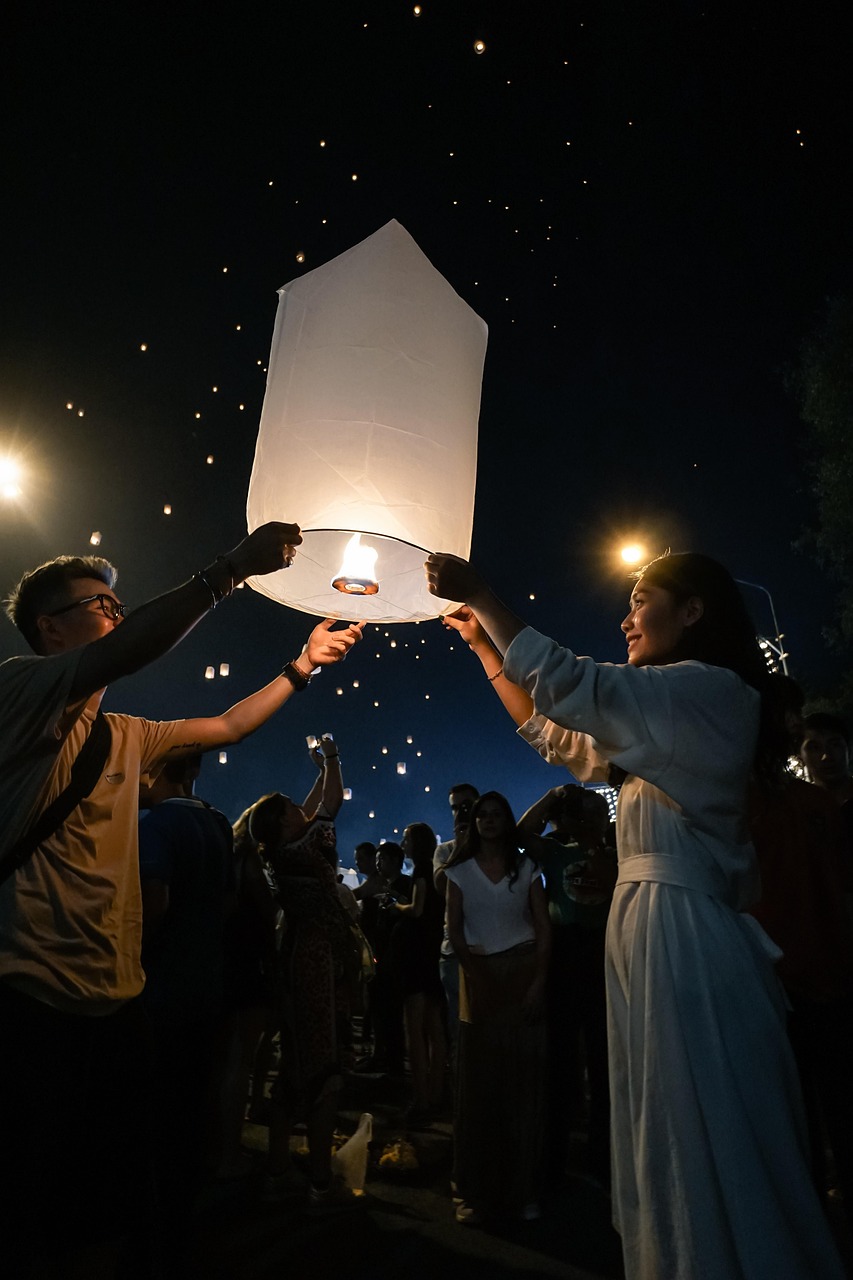

In the spirit of holly jolly holiday celebrations, this article delves into the art of translating Urdu to English, a skill vital for connecting during diverse cultural events like Diwali festivities, Eid al-Fitr gatherings, and even last-minute Christmas gift exchanges. We’ll explore effective strategies, common challenges, and helpful tools, empowering you to convey messages with accuracy and warmth across languages.
Mastering Urdu to English Translation: A Guide for Festival Season
Understanding how to translate Urdu to English is more than just a linguistic skill; it’s a bridge that connects hearts during the most vibrant times of year. From the festive lights of a winter wonderland to the warm glow of summer sunset soirees, sharing greetings and wishes in both languages fosters inclusivity and appreciation for cultural diversity. Let’s embark on a journey to enhance your Urdu-to-English translation skills, ensuring clear communication throughout the festival season and beyond.
The Importance of Urdu-to-English Translation
Urdu, with its rich history and poetic flair, is widely spoken across South Asia and among diaspora communities worldwide. English, as a global lingua franca, serves as a bridge for cross-cultural communication.
During the festival season, translating greetings, wishes, and even simple conversations can:
- Strengthen Relationships: Bridge cultural gaps and foster deeper connections with friends, family, and community members celebrating diverse traditions.
- Promote Inclusivity: Ensure everyone feels welcomed and included in holiday celebrations, regardless of their linguistic background.
- Enhance Cultural Exchange: Deepen understanding between cultures by sharing festive messages and traditions through both languages.
Unlocking the Secrets: Strategies for Effective Translation
1. Embrace Context and Tone
Urdu, like English, has diverse dialects and stylistic variations. For accurate translation, consider:
- Context: The situation calls for a formal or informal tone. A greeting for a religious festival might be more formal than a casual message for a birthday party.
- Target Audience: Adapt your language to suit the age, cultural background, and level of formality of your audience.
2. Master Basic Phrases
Building a solid foundation in common Urdu phrases will significantly improve your translation skills:
- "Merry Christmas": "مری کریسمس" (Meri Krysmas)
- "Happy Diwali": "خوشگوار دیوالی" (Khushgaar Diwali)
- "Eid Mubarak": "اید مبارک" (Id Mubarak)
- "Best Wishes": "اراده خوب" (Arade Khub)
3. Utilize Online Resources and Tools
The digital age offers a plethora of resources for Urdu-to-English translators:
- Online Dictionaries: Websites like UrduPoint and LexiLink provide comprehensive Urdu-English dictionaries with audio pronunciations.
- Translation Apps: While not always perfect, apps like Google Translate can offer quick translations for simple phrases.
- Language Learning Platforms: Websites and apps designed for language learning, such as Duolingo or Rosetta Stone, often include Urdu courses.
4. Practice with Real-World Examples
The best way to improve your translation skills is through practice:
- Read Literature: Immerse yourself in Urdu literature, poetry, and even social media posts to grasp the nuances of the language.
- Watch Videos: YouTube offers a wealth of videos in Urdu, from music clips to educational content. Subtitles can aid in understanding and translation practice.
- Engage in Conversations: Seek opportunities to converse with native Urdu speakers. Online forums, language exchange groups, or cultural events are excellent places to start.
Common Challenges and How to Overcome Them
Navigating Urdu-to-English translation isn’t always smooth sailing. Be prepared for these common hurdles:
- Similar Words with Different Meanings: Urdu and English share some words but can have vastly different connotations. Context clues are crucial for accurate interpretation.
- Poetic License and Idiomatic Expressions: Translating poetry or idioms requires a deep understanding of both cultures and creative license to preserve meaning and emotional impact.
- Regional Variations: Different regions within Urdu-speaking countries may have unique dialects that can be challenging to translate accurately.
Overcoming these challenges:
- Consult Native Speakers: Seek feedback from native Urdu speakers, especially for complex phrases or idioms.
- Use Multiple Resources: Compare translations from different dictionaries and online tools to gain a fuller understanding of the intended meaning.
- Be Patient and Persistent: Mastering any language takes time and effort. Don’t get discouraged if initial translations don’t feel perfect; keep practicing and refining your skills.
Frequently Asked Questions (FAQs)
1. How can I learn Urdu for basic holiday communication?
Starting with learning fundamental greetings, phrases, and cultural norms is a great place to begin. Online courses, language apps, and YouTube tutorials are excellent resources. Practice speaking with native speakers whenever possible.
2. What are some cultural tips for using Urdu in festival season?
Be mindful of appropriate greetings and etiquette for each occasion. For example, use "Meri Bahaar" (My Spring) or "Khushal Mahin" (Happy Month) during spring festivals like Holi, and "Khushgaar Eid" (Happy Eid) during Eid al-Fitr celebrations.
3. Are there any specific Urdu phrases I should avoid in formal settings?
While informal language is acceptable among friends and family, certain phrases may be considered inappropriate for more formal situations. Steer clear of slang or overly casual expressions. Always aim for a respectful and polite tone when translating for festivals like Christmas or Diwali.
4. Can technology help me improve my Urdu-to-English translation skills?
Absolutely! Online dictionaries, translation apps, and language learning platforms are valuable tools. However, remember that technology should supplement, not replace, practice with native speakers and immersion in the language.
5. How can I make sure my translations are culturally sensitive?
Researching cultural norms and customs related to each festival is essential. Avoid making assumptions or using phrases that might be offensive. Seek feedback from Urdu-speaking individuals to ensure your translations are respectful and appropriate.
Conclusion: Spreading Joy Through Translation
Translating Urdu to English for festival season communication is a beautiful fusion of cultures and languages. By embracing context, mastering key phrases, utilizing resources wisely, and persevering through challenges, you can connect with others on a deeper level during these special times. Let your translations be a bridge that brings people together, fostering joy, understanding, and unity in a true holly jolly holiday spirit.
