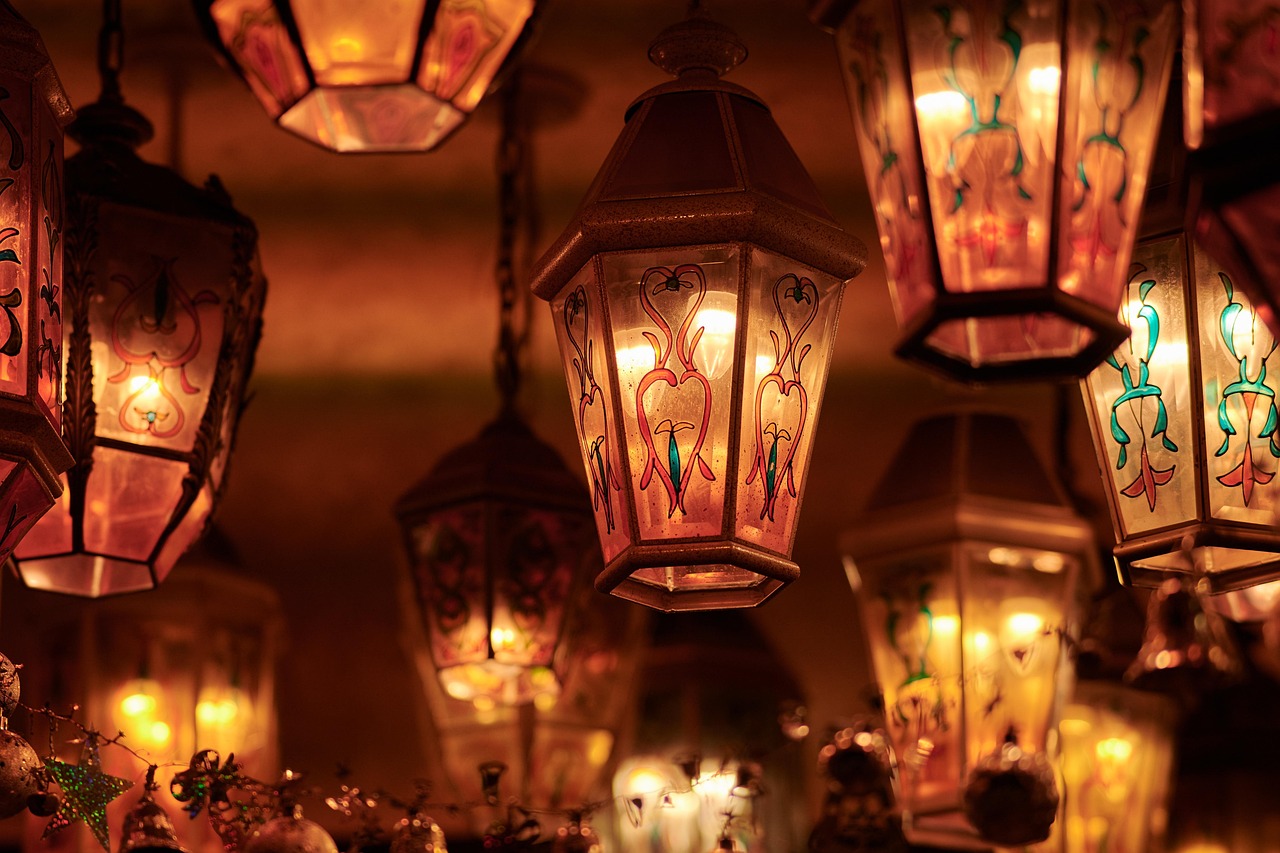

TL;DR: Whether you’re preparing for a holly jolly holiday, planning a summer sunset soiree, or enjoying Diwali festivities, understanding Urdu can enrich your cultural experiences. This guide explores the benefits and methods of translating Urdu to English, helping you navigate diverse gatherings throughout the year, from Eid al-Fitr celebrations to winter wonderland parties.
Urdu to English: Unlocking Cultural Connections
In a world vibrant with diverse languages and cultures, communication breaks down without effective translation tools. For those celebrating festival season, understanding Urdu can be a treasure trove of rich traditions and meaningful connections. This guide delves into the significance of translating Urdu to English, offering insights for navigating cultural gatherings throughout the year.
Why Translate Urdu to English?
Urdu is a beautiful language spoken by millions globally, primarily in Pakistan and India. It’s a blend of Persian, Arabic, and Hindi influences, reflecting its diverse cultural heritage. During festival season, when communities gather for celebrations like Diwali, Eid al-Fitr, or even themed winter parties, the ability to understand Urdu opens doors to:
- Deeper Cultural Immersion: Experience festivals authentically by engaging with local traditions, music, and conversations.
- Enhanced Social Interactions: Connect with friends and family who speak Urdu, fostering stronger bonds through shared understanding.
- Access to Rich Literature: Explore captivating Urdu literature, poetry, and folklore that offer insights into the culture and history of Urdu-speaking communities.
- Global Communication: Break language barriers when interacting with Urdu speakers worldwide, expanding your network and opportunities.
Urdu to English Translation Methods
Translating Urdu to English involves several methods, each offering unique advantages:
1. Traditional Literature Translation:
This approach involves translating written works, such as poetry or stories, from Urdu to English word-for-word. It requires a strong grasp of both languages and cultural context for accurate representation of meaning and nuance.
Pros: Captures literary nuances and cultural context.
Cons: Can be time-consuming and may lack natural flow in the target language.
2. Machine Translation:
Tools like Google Translate offer quick and convenient Urdu to English translations. While useful for basic phrases, machine translation often falls short when it comes to nuanced meanings, idiomatic expressions, or cultural references.
Pros: Instantaneous and readily accessible.
Cons: May produce inaccurate or nonsensical results, especially with complex sentences.
3. Human Translation:
Hiring a professional Urdu-English translator ensures the most accurate and natural-sounding translations. Human translators understand cultural subtleties, idioms, and context, resulting in precise communication.
Pros: High accuracy, natural flow, and cultural sensitivity.
Cons: More expensive than machine translation but well worth it for critical communications.
4. Language Immersion and Practice:
The best way to truly master Urdu is through immersion and consistent practice. Enroll in language classes, participate in conversation groups, or find a language partner. This hands-on approach builds fluency, vocabulary, and cultural understanding.
Pros: Achieve full language proficiency and authentic communication experience.
Cons: Requires significant time investment and commitment.
Urdu to English for Specific Festival Celebrations
Let’s explore how Urdu translation can enhance your experiences during different festival seasons:
Diwali Festivities:
Diwali, the festival of lights, is celebrated with great fervor across India and other parts of the world. During Diwali gatherings, understanding Urdu can help you:
- Participate in Traditional Songs and Rituals: Many Diwali songs and rituals have their roots in Urdu poetry and folklore. By understanding the language, you can fully immerse yourself in these traditions.
- Engage in Meaningful Conversations: Connect with family members and friends who speak Urdu, sharing stories and exchanging well wishes.
Eid al-Fitr Gatherings:
Eid al-Fitr marks the end of Ramadan and is celebrated with prayers, feasts, and community gatherings.
Urdu translation can help you:
- Recite Eid Prayers Accurately: Many traditional Eid prayers and blessings are in Urdu. A reliable translation ensures you participate respectfully and accurately.
- Delve into Eid Literature: Explore Urdu poetry and literature dedicated to Eid, gaining deeper insights into the spiritual significance of this festival.
Winter Wonderland Parties:
Whether hosting or attending a themed winter party, incorporating Urdu elements can create a unique and memorable experience:
- Create Invitations in Urdu: Add a touch of elegance by crafting invitations in Urdu script, evoking a sense of warmth and festivity.
- Play Traditional Urdu Music: Enhance the ambiance with traditional Urdu music, transporting your guests to a magical winter wonderland.
Summer Sunset Soirees:
As days grow longer and warmer during summer, Urdu can still add cultural depth to your gatherings:
- Share Urdu Poetry: Recite classic Urdu poems under the summer sky, inspiring reflection and conversation.
- Organize a Language Exchange: Host a soiree where guests can learn a few Urdu phrases or share their native languages, fostering cross-cultural connections.
FAQ: Urdu to English Translation
Q: How do I choose the best translation method for my needs?
A: Consider factors like urgency, budget, and level of accuracy required. For quick translations, machine tools are useful; for precise documents or conversations, human translators offer the best results.
Q: Is learning Urdu essential to appreciate these festivals fully?
A: Not necessarily! While understanding the language enhances the experience, immersing yourself in the culture, participating in rituals, and showing respect are key to enjoying festival season celebrations.
Q: Can I use Urdu in international settings beyond South Asia?
A: Absolutely! Urdu is widely spoken globally by diasporic communities. You may find opportunities to use Urdu during international gatherings or even in multilingual environments.
Conclusion
Translating Urdu to English opens doors to a vibrant tapestry of cultures and traditions celebrated during festival season. Whether you’re navigating Diwali lights, joining Eid al-Fitr prayers, or hosting a winter wonderland party, the ability to communicate in Urdu enriches your experiences, strengthens connections, and fosters a deeper appreciation for cultural diversity. Embrace the journey of language learning and unlock the magic of festival celebrations worldwide.